With great pleasure, we will explore the intriguing topic related to Is 2025 a Leap Year? What Are the Rules?. Let’s weave interesting information and offer fresh perspectives to the readers.


The Gregorian calendar, which is the most widely used calendar in the world today, is a solar calendar that has 365 days in a year. However, every four years, an extra day is added to the calendar, making it a leap year. This extra day is added to the month of February, which usually has 28 days. In a leap year, February has 29 days.
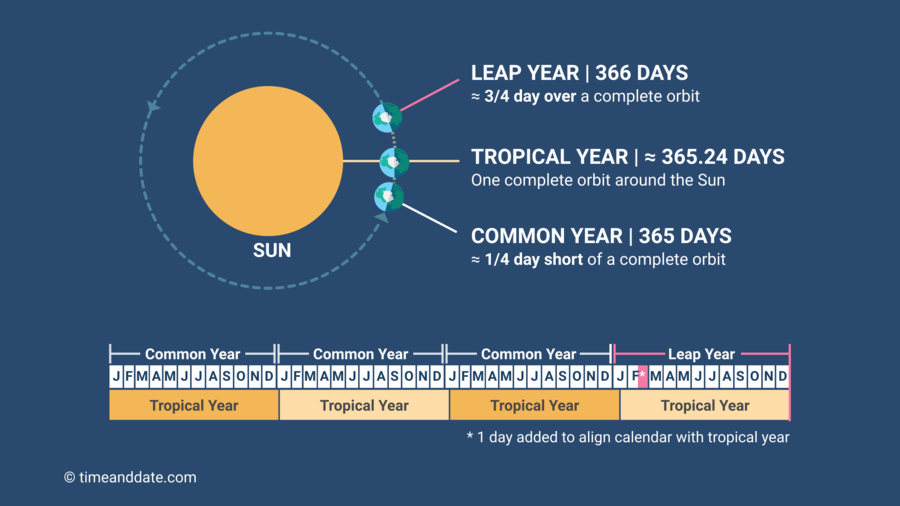
The purpose of a leap year is to keep the calendar in sync with the Earth’s orbit around the sun. The Earth’s orbit is not exactly 365 days long, but rather 365.2422 days. This means that if we didn’t have leap years, the calendar would gradually drift out of sync with the seasons.

For example, the year 2025 is a leap year because it is divisible by 4. The year 1900 was not a leap year because it is divisible by 100 but not by 400. The year 2000 was a leap year because it is divisible by 400.

We have leap years to keep the calendar in sync with the Earth’s orbit around the sun. The Earth’s orbit is not exactly 365 days long, but rather 365.2422 days. This means that if we didn’t have leap years, the calendar would gradually drift out of sync with the seasons.

For example, if we didn’t have leap years, the vernal equinox (the first day of spring) would occur on a different day each year. Over time, the vernal equinox would occur in the summer, then in the fall, and then in the winter.
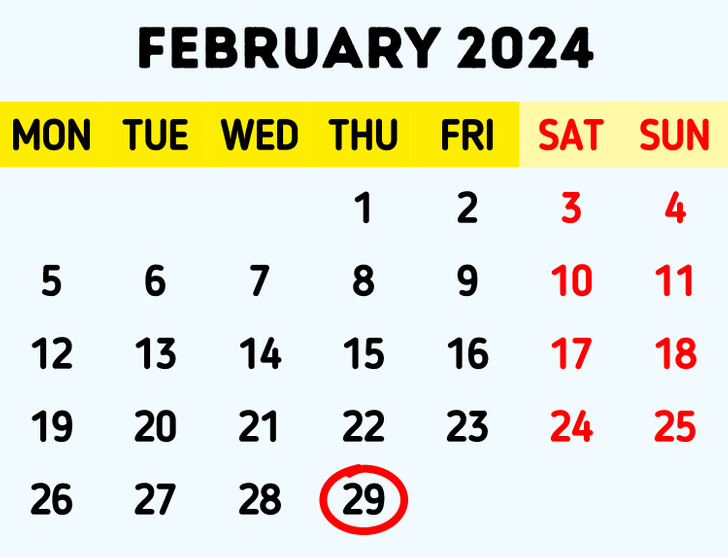
Leap years help to keep the calendar in sync with the seasons by adding an extra day to the calendar every four years. This extra day helps to compensate for the fact that the Earth’s orbit is not exactly 365 days long.

There is one exception to the leap year rules. The year 1900 was not a leap year, even though it is divisible by 4. This is because the year 1900 is also divisible by 100. According to the leap year rules, a year is not a leap year if it is divisible by 100, unless it is also divisible by 400. The year 1900 is divisible by 100, but it is not divisible by 400. Therefore, the year 1900 was not a leap year.
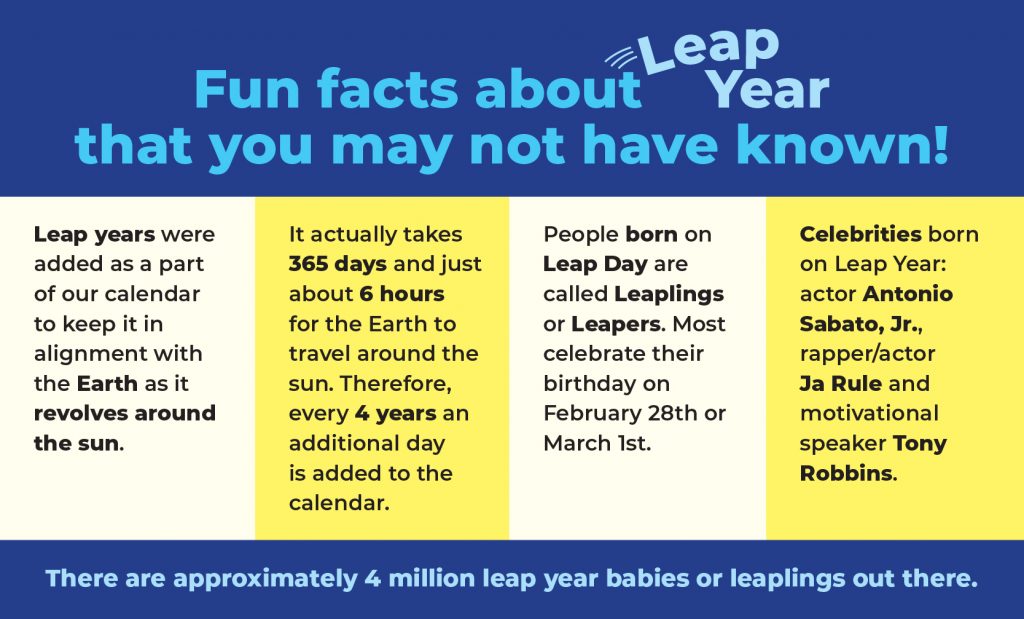
If we didn’t have leap years, the calendar would gradually drift out of sync with the seasons. This would have a number of consequences, including:
Leap years help to keep the calendar in sync with the seasons and prevent these consequences from occurring.



Thus, we hope this article has provided valuable insights into Is 2025 a Leap Year? What Are the Rules?. We appreciate your attention to our article. See you in our next article!